New Perspectives on Academic Partnership with the University of Warsaw
Developing international academic ties, integrating into the global scientific and educational space, and expanding opportunities for students and researchers remain key areas of activity for Turan-Astana University. The recent visit of a representative from one of the leading European higher education institutions – the University of Warsaw (Republic of Poland) – marked another step along this path.
On October 22, 2026, Turan-Astana University hosted Dr. Ludwika Włodek, a representative of the Centre for East European Studies at the University of Warsaw and Head of Central Asian Studies. The visit was supported by the Embassy of the Republic of Poland in the Republic of Kazakhstan and opened up new avenues for enhancing the academic dialogue between the two universities.
The interest in cooperating with Polish universities is natural. Poland holds a prominent place in the European educational space, combining long-standing university traditions with modern approaches to specialist training and the organization of scientific research. The Polish higher education system is integrated into the Bologna Process and the European Higher Education Area. The comparability of educational programs, the application of the European Credit Transfer and Accumulation System (ECTS), the development of academic mobility, and the participation of universities in international research projects create favorable conditions for collaboration with foreign partners.
The University of Warsaw occupies a special place within Poland's higher education system as one of the country's oldest and most prestigious research universities, widely recognized for its academic schools, international ties, and research in the humanities and social sciences. For Turan-Astana University, developing contacts with such a partner is valuable not only for expanding educational opportunities but also for building sustainable scientific links, exchanging research experience, and participating in international academic initiatives. Interaction with Polish universities gives us more than just an introduction to educational programs; it unlocks new academic possibilities.
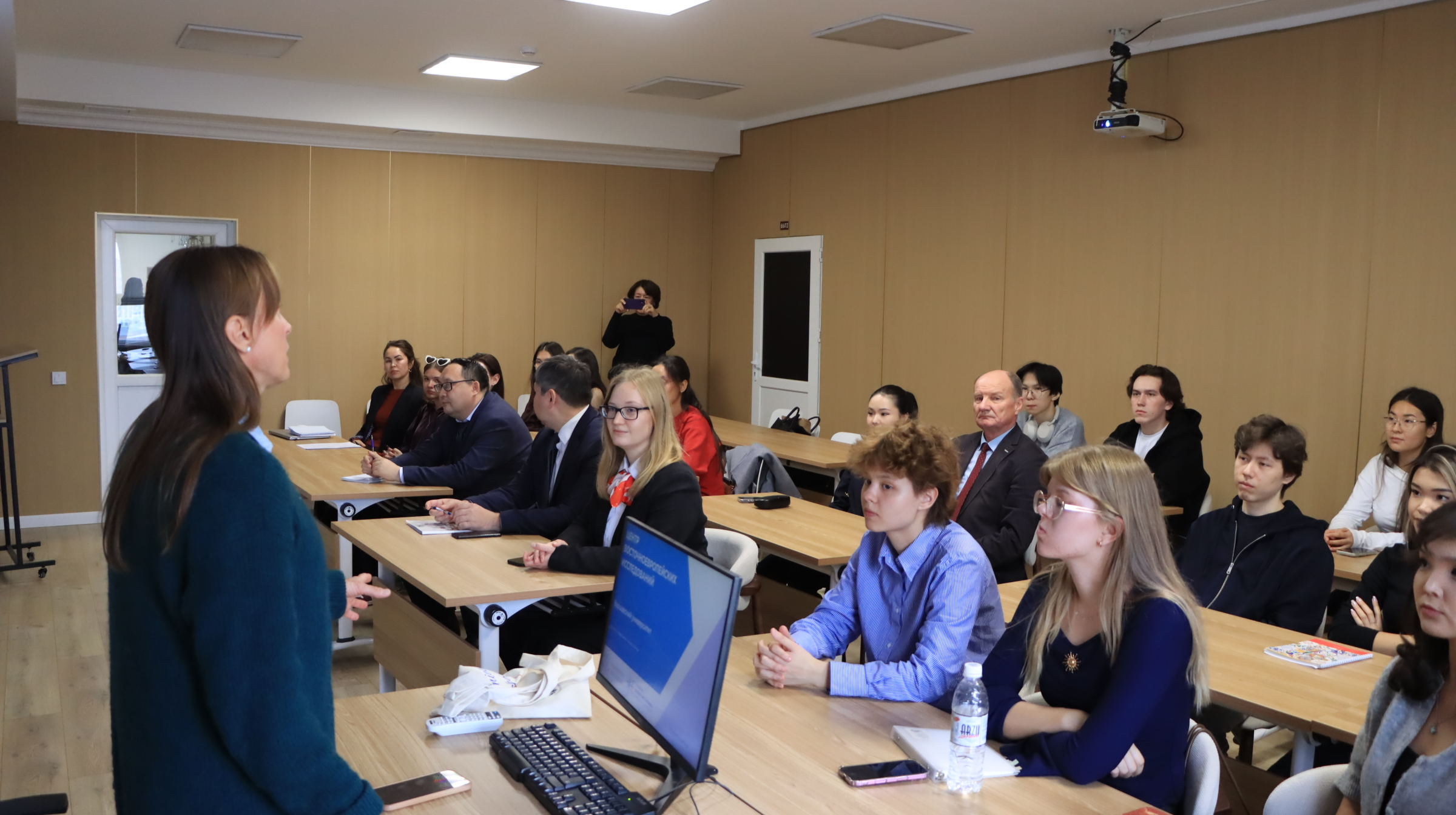
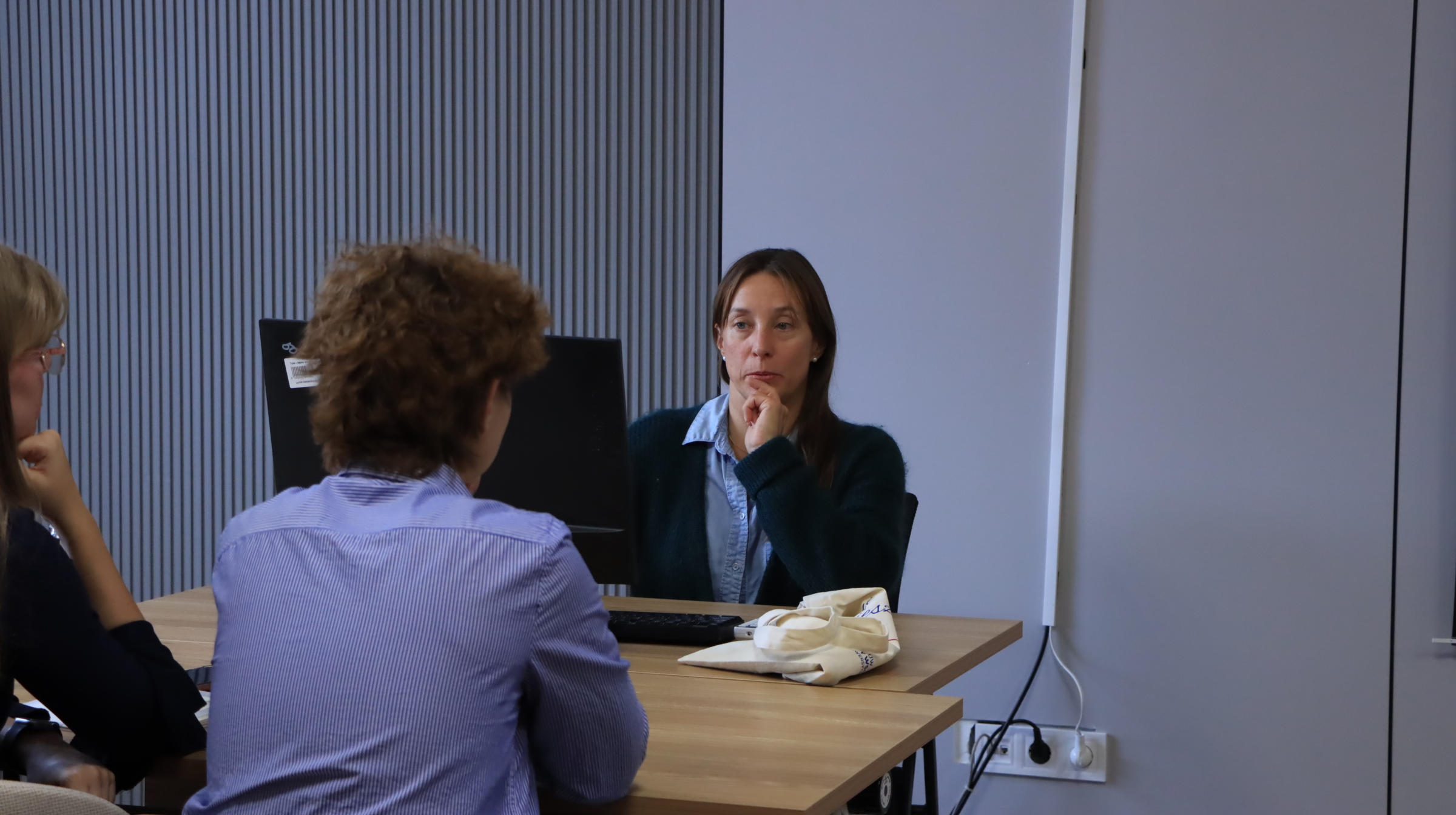
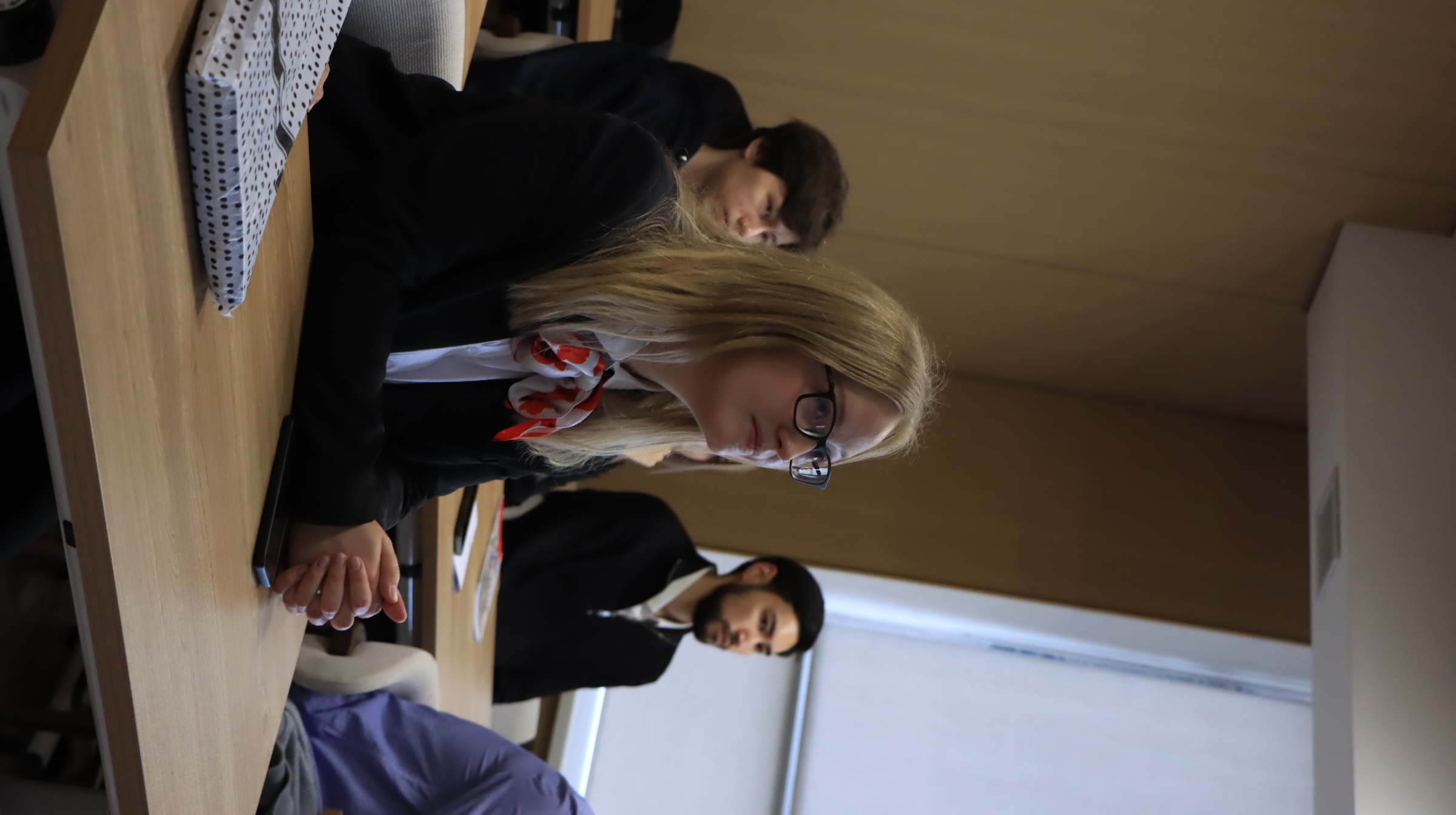
One of the central events of the visit was Dr. Ludwika Włodek's meeting with the students of Turan-Astana University, which focused on the prospects of studying, undertaking scientific internships, and engaging in research activities in Poland. The guest outlined the core work areas of the Centre for East European Studies at the University of Warsaw and spoke about the specifics of training young researchers, the international academic environment, and scholarship opportunities available to international applicants.
The "Młodzi Naukowcy" ("Young Scientists") program, aimed at supporting the research activities of young specialists, and the "Stypendia Wschodnie" ("Eastern Scholarships"), which offer the opportunity for a two-year Master's degree program at the University of Warsaw, generated particular interest. Additionally, the Eastern Summer School and Eastern Winter School were presented, which allow participants to deepen their knowledge of regional studies, expand professional networks, and familiarize themselves with European approaches to scientific work. During the open dialogue, students had the opportunity to ask questions regarding program eligibility, academic requirements, scholarship support, and further education prospects.
Such meetings are of exceptional value: international education is no longer perceived as a distant prospect but takes on a very concrete shape—ranging from program selection and document preparation to participating in research and shaping an individual academic trajectory.
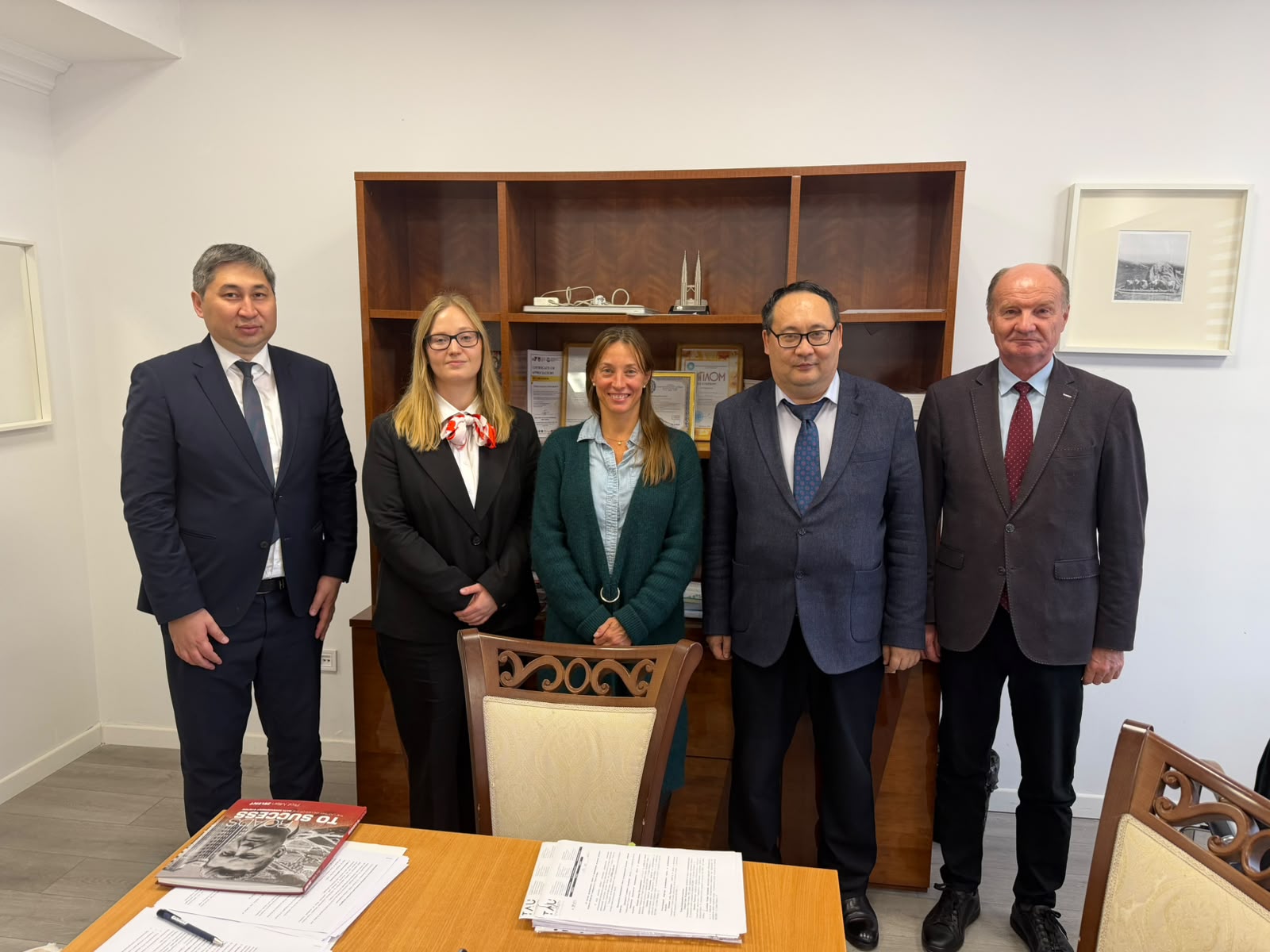
An equally significant part of the visit consisted of bilateral talks with representatives of Turan-Astana University, dedicated to the prospects of inter-university cooperation. The discussion went beyond a traditional exchange of information about educational programs. The focus centered on areas of cooperation capable of forming the foundation for long-term scientific and academic ties. These include developing student and faculty academic mobility, preparing joint research projects, participating in international scientific initiatives, and organizing conferences, expert seminars, and guest lectures.
The parties paid special attention to opportunities for cooperation in the fields of Central Asian studies, international relations, and regional studies. The relevance of these areas is of particular significance today. Amidst a changing international landscape, strengthening interregional ties, and the growing interest of the European scientific community in Central Asia, research based on a deep understanding of historical, political, economic, and socio-cultural processes is highly in demand.
In this context, collaboration between Kazakh and Polish scientists opens up prospects for the mutual enrichment of research approaches, the formation of joint expert platforms, and the promotion of scientific outcomes on an international level. For Turan-Astana University, this interaction also holds practical interest: the participation of faculty and students in international projects fosters the development of research competencies, expands access to foreign academic expertise, and creates additional opportunities for professional growth.
During the negotiations, both sides expressed strong interest in continuing the dialogue and further considering specific forms of institutional cooperation between Turan-Astana University and the University of Warsaw.
By expanding the geography of its international contacts, Turan-Astana University consistently strengthens its position in the global academic space. At the same time, the priority is not only establishing new partnerships but also filling them with meaningful substance—joint research, knowledge exchange, academic mobility, and student access to advanced educational practices. Cooperation with European universities takes on special significance under the growing demands for the quality of higher education, scientific competitiveness, and the training of professionals capable of working in an international professional environment.
The visit of the University of Warsaw representative highlighted promising areas of Kazakh-Polish academic interaction and created the prerequisites for transitioning from professional dialogue to joint educational and research initiatives. For Turan-Astana University, this is another step toward achieving its long-term goal - forming an open, dynamically developing university environment where international cooperation becomes a tangible resource for improving the quality of education, advancing science, and expanding the opportunities for a new generation of specialists.